Cart 0


Let’s explore the best serums for dark spots and uneven skin tone, you’ve likely seen Vitamin C serums. It’s the go-to for anyone wanting to brighten their skin and fade stubborn marks. But why is Vitamin C such a superstar in the world of skincare, especially in a dark spots serum? Let’s explore why this antioxidant is key to a glowing, even complexion.
Fights Off Free Radicals for Clearer Skin
Let’s talk about free radicals. They sound like a sci-fi movie. But, they’re unstable molecules that harm your skin. Free radicals come from sun exposure, pollution, and stress. They make skin look dull, tired, and more prone to dark spots. Here’s where Vitamin C comes to the rescue!
Vitamin C is a powerful antioxidant. It neutralizes free radicals before they can cause damage. It’s a shield for your skin. It protects against everyday stressors that can worsen hyperpigmentation. The best serums for dark spots are infused with Vitamin C to help your skin. It will keep it clear, bright, and even-toned. You’ll notice a reduction in dullness and an overall glow that’ll make you feel like you’ve just had a mini facial.
Boosts Collagen Production for Firmer, Smoother Skin
We all want firmer, bouncier skin, right? Vitamin C is key for collagen production. It keeps your skin plump and youthful. Collagen is a protein that your skin naturally produces, but as we age, that production slows down. The result? Fine lines, wrinkles, and yes—uneven skin tone.
A Vitamin C dark spots serum does two things. It reduces pigmentation and boosts your skin’s collagen production. This leads to firmer, smoother skin over time, which is a win-win! So while your main goal might be to fade dark spots, you’ll also enjoy the added benefit of more youthful skin. It’s like getting a two-for-one deal in your skincare routine.
Brightens and Evens Out Skin Tone
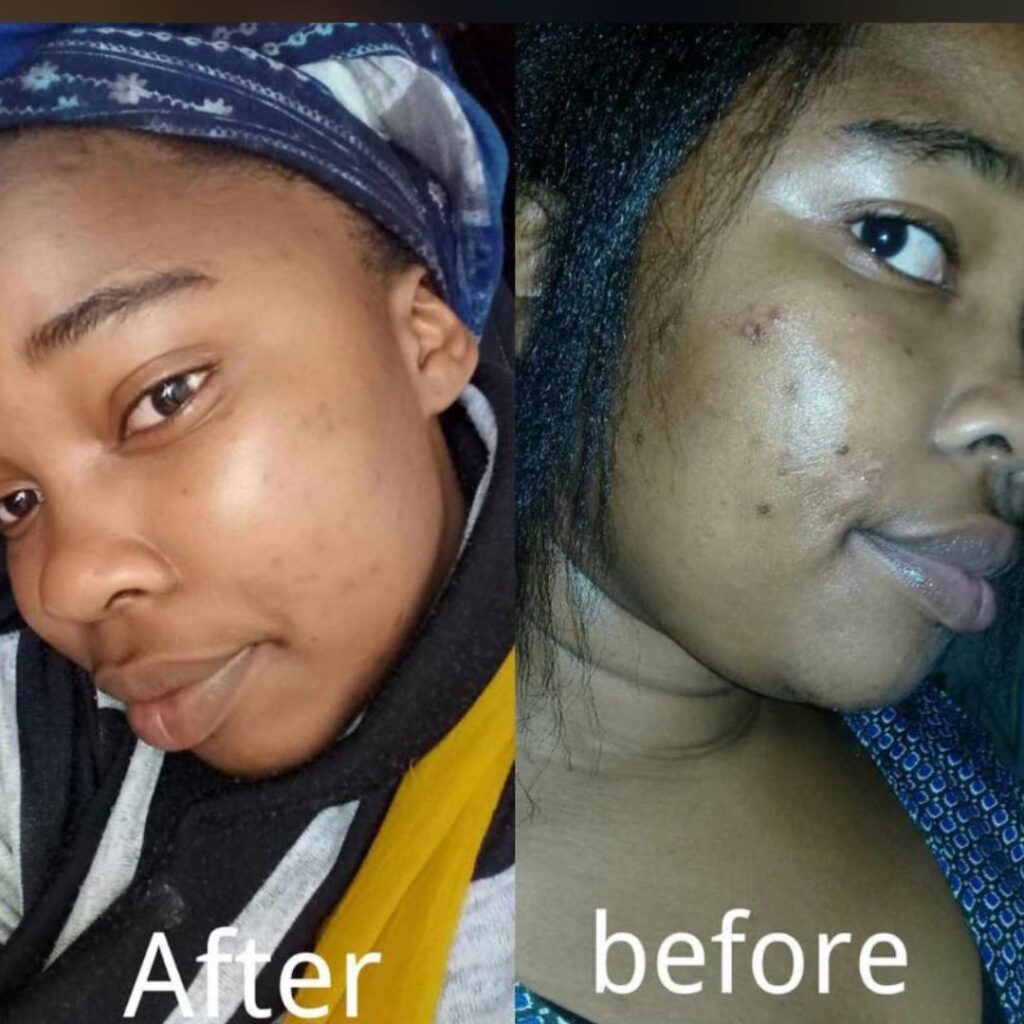
A key benefit of Vitamin C serums is their ability to brighten your skin. If your skin has been looking dull or uneven, this antioxidant can work wonders. Vitamin C inhibits melanin production, which is what causes dark spots to form in the first place. Over time, this means fewer spots and a more even skin tone.
If you’ve ever wondered why so many dark spot serums feature Vitamin C, this is the reason. It fades existing pigmentation and helps prevent new spots. With regular use, your skin will look brighter, more radiant, and more even-toned. Plus, it’s gentle enough for daily use, making it a perfect addition to any skincare routine.
Works Well with Other Ingredients
Another reason to love Vitamin C serums is their compatibility with other ingredients. Vitamin C fits perfectly into your routine. It won’t irritate, no matter if you use retinoids, hyaluronic acid, or niacinamide. It’s the skincare equivalent of that friend who gets along with everyone.
For best results, apply your Vitamin C dark spots serum in the morning, right after cleansing. This allows it to protect your skin from free radicals throughout the day. Follow it up with a good moisturizer and, of course, sunscreen. And don’t worry—Vitamin C doesn’t lose its power when paired with SPF. They make a great team. They work together to protect and brighten your skin.
Protects Your Skin from Sun Damage
Even though we know sunscreen is crucial, sometimes we don’t realize just how much damage the sun does to our skin. UV rays cause dark spots. Sadly, sun damage won’t just go away. While sunscreen is your first line of defense, a Vitamin C serum can give you that extra layer of protection.
Vitamin C helps minimize sun damage. It reduces the risk of new dark spots and aids in repairing existing damage. Regular use of a Vitamin C dark spots serum will help. It will protect your skin from future pigmentation issues. But remember—Vitamin C is not a substitute for sunscreen! It’s your sidekick, not your superhero.
Licorice Extract for Sensitive Skin: Natural Alternatives to Treat Pigmentation
If you’ve been struggling with dark spots, try licorice extract. It might be your new best friend. It can help since your skin gets irritated by strong ingredients. This natural ingredient is a powerful, gentle alternative for treating pigmentation. It’s especially good for sensitive skin. We’ll explore why licorice extract is a superstar in dark spot serums. It can help you get a brighter, more even complexion without irritation.
What is Licorice Extract, and How Does It Work?
Licorice extract comes from the root of the licorice plant. It’s famous for flavoring candy, but it has great skincare benefits. Licorice extract can treat pigmentation. It contains glabridin, which inhibits melanin production. Melanin causes dark spots. Licorice extract can reduce its production. This can help lighten dark patches and prevent new ones.
But here’s the best part: licorice extract is super gentle! Unlike harsher ingredients, like hydroquinone or strong acids, licorice extract won’t irritate your skin. It’s perfect for those with sensitive skin. You get all the benefits of a powerful dark spots serum. But, you avoid the redness and dryness from harsher treatments.
Soothes and Calms Irritation
If you have sensitive skin, you know how easy it is to end up with redness or irritation when trying new products. Licorice extract brightens skin and reduces inflammation. That’s its beauty. It treats dark spots. It also calms your skin, reducing redness and irritation.
If you have pigmentation and sensitivity, try a dark spots serum with licorice extract. It can be a game-changer. You get a two-in-one treatment. It fades stubborn dark spots while keeping your skin calm and happy. It’s like sending your skin to a relaxing spa day every time you apply your serum!
Safe for Daily Use
A big challenge in treating dark spots, especially on sensitive skin, is finding the safe and best serums for dark spots to use consistently. Many ingredients for hyperpigmentation can only be used a few times a week. They can cause dryness, peeling, or irritation. But with licorice extract, you don’t have to worry about that.
It’s a gentle ingredient. So, you can use licorice extract in your dark spots serum daily. It’s a great long-term solution. To fade pigmentation, consistency is key. Use a non-irritating ingredient daily. It gives you the best chance at achieving even-toned, radiant skin.
Works Well With Other Ingredients
Licorice extract suits sensitive skin. It also boosts other skincare ingredients, enhancing your routine. If you use a vitamin C serum or niacinamide, try licorice extract. It can boost their brightening effects. And because it’s so gentle, you don’t have to worry about it clashing with your other products.
For best results, use a good moisturizer over your dark spots serum with licorice extract. Always apply sunscreen in the morning. Sunscreen is essential. It prevents new pigmentation from forming. Licorice extract works even better if your skin is protected from UV rays. Together, this combo will help you maintain a brighter, more even complexion over time.
Perfect for Treating Melasma and Post-Inflammatory Hyperpigmentation
If you have melasma or PIH from acne, try licorice extract. It’s an excellent option. Melasma is often triggered by hormonal changes and sun exposure. It’s tricky to treat without irritating the skin. Post-inflammatory hyperpigmentation occurs after acne heals. It leaves dark spots that can last for months.
Licorice extract reduces melanin and is anti-inflammatory. So, it is ideal for treating both conditions. It fades dark spots over time without irritating your skin. So, it’s great for those with long-term pigmentation issues. And since it’s safe for daily use, you can stick with it long enough to see real results.
How to Incorporate Licorice Extract into Your Routine
If you want to add licorice extract to your skincare, you’ll be happy. It’s often found in dark spot serums, creams, and toners. Look for products that list licorice extract as a main ingredient. Pair it with brightening ingredients like vitamin C or kojic acid. This makes a gentle, but powerful, pigmentation-fighting combo.
For best results, use your licorice extract serum after cleansing and toning, but before moisturizing. Be patient—while licorice extract is effective, it works gradually. You should see results in a few weeks. Significant improvements will come over time. And, as with any dark spot treatment, sunscreen is a must. It protects your skin and prevents new spots from forming.
Glycolic Acid in Serums: How Exfoliating Acids Boost Skin Renewal
If you’ve been exploring ways to tackle dark spots or dull skin, you’ve probably heard about glycolic acid. This superstar ingredient is a game-changer. It will refresh your skin and even your complexion. But what exactly does glycolic acid do, and why should you consider adding it to your dark spots serum? Let’s dive into how this exfoliating acid works. It boosts skin renewal. It gives you a fresh, glowing look. That’s what you want.
What is Glycolic Acid?
Glycolic acid, which is derived from sugar cane, is a type of alpha hydroxy acid (AHA). It’s one of the most popular exfoliating acids in skincare and for a good reason! Of all the AHAs, glycolic acid has the smallest molecules. So, it can penetrate the skin more deeply and work better.
Learn more about Glycolic Acid
So, what does it do? Glycolic acid gently exfoliates your skin’s outermost layer. It removes dead cells and reveals fresh, glowing skin. It brightens your complexion and improves your skin’s texture.It is one of the best serums for dark spots serum and helps your skin renew faster. This fades pigmentation and evens out your skin tone over time.
Boosts Cell Turnover for Brighter Skin
One of the key benefits of glycolic acid is how it boosts cell turnover. Your skin naturally sheds dead cells. But, as we age or have issues like dark spots, this process can slow down. This is where glycolic acid comes in to save the day! Glycolic acid speeds up cell turnover. It helps your skin renew itself faster. This brings fresh, healthy skin cells to the surface.
This process is great for dark spots from sun damage or post-inflammatory hyperpigmentation. A dark spots serum with glycolic acid can help. It can fade these spots faster by shedding the pigmented cells. With regular use, your skin will say, “Thank you!” Your complexion will be brighter and more even-toned.”
Unclogs Pores and Reduces Breakouts
Let’s be honest—nobody likes clogged pores. Not only do they lead to breakouts, but they can also cause dark spots or scars if left untreated. Luckily, glycolic acid is here to help! It exfoliates your skin’s surface. It also clears your pores by removing dirt, oil, and dead skin trapped inside.
Glycolic acid can clear your pores. This reduces breakouts and prevents post-acne dark spots. Glycolic acid is a great addition to any dark spot serum, especially for acne-prone skin. You can prevent breakouts and fade dark spots from past ones. Talk about a win-win!
Improves Skin Texture and Smoothness
Glycolic acid brightens and fades dark spots. It also improves your skin’s texture. Have you ever noticed that your skin feels rough or uneven in certain areas? This is often due to a buildup of dead skin cells that just won’t go away on their own. That’s where glycolic acid works its magic.
Glycolic acid gently exfoliates your skin. It smooths rough patches and improves your complexion’s texture. For uneven skin tone or texture from dark spots, try a glycolic acid serum. It can make a huge difference. Your skin will feel softer, look smoother, and be more radiant. It will be everything you’ve dreamed of!
How to Use Glycolic Acid Safely
As amazing as glycolic acid is, you want to make sure you’re using it the right way. Because it’s a potent exfoliant, it’s important to start slow, especially if you have sensitive skin. Start by using your dark spots serum with glycolic acid a couple of times a week. Gradually increase the frequency as your skin adjusts.
Also, be mindful that glycolic acid can make your skin more sensitive to the sun. You must use good sunscreen with your routine. This is vital if you use glycolic acid in the morning. Sunscreen prevents new dark spots and protects your exfoliated skin from UV damage. Remember, protecting your skin is just as important as treating it!
Glycolic Acid vs. Other Acids: What’s the Difference?
You might wonder how glycolic acid compares to other exfoliating acids, like salicylic and lactic acids. All of these acids have a place in skincare. But, glycolic acid is best for brightening skin and improving texture. Glycolic acid has smaller molecules. So, it penetrates the skin more deeply. It is a powerful choice for fading dark spots and evening-out skin tone.
Salicylic acid is better for oily or acne-prone skin. It goes deeper into the pores to remove excess oil. Lactic acid is another good option for sensitive skin. It exfoliates more gently than glycolic acid. If you want a dark spots serum to brighten and smooth, try glycolic acid. It’s a top choice for its strong exfoliating power.
Retinol vs. Retinoid Serums: Which One is the Best Serum for Stubborn Dark Spots?
If you have dark spots and pigmentation, you may have heard of retinol and retinoid serums. These two ingredients are often praised for their skin benefits. But, what is the difference? And more importantly, which one works best for stubborn dark spots? We will compare retinol and retinoids. This will help you choose the best one for your skincare routine.
What’s the Difference Between Retinol and Retinoids?
First, let’s clear up the confusion. Retinol and retinoids are both forms of vitamin A and they are the serums for dark spots. They differ in strength and how they work on your skin. Retinoids are all vitamin A derivatives. Retinol is one type of retinoid. Retinol is usually available over the counter. Stronger retinoids, like tretinoin, require a prescription.
The key difference between the two is the concentration of active ingredients. Retinoids, especially prescription-strength versions, are more potent and work faster than retinol. Retinol, on the other hand, is gentler and takes longer to show results but is less likely to irritate your skin. So, choosing between the two depends on your skin’s sensitivity and how fast you want results.
Retinol: The Gentler Option for Beginners
If you’re new to vitamin A products, retinol is a great place to start and it’s one of the best serums for dark spots. Retinol is in many OTC dark spot serums. It is gentler than prescription retinoids. This is perfect for those with sensitive skin. It’s also good for anyone who wants to start their skincare routine slowly.
Retinol works by speeding up cell turnover. It helps your skin shed dead cells faster. This process is key to fading dark spots, as it brings fresh, new skin to the surface more quickly. The catch? Retinol takes time to work—don’t expect to see major changes overnight. Most people see improvements after a few months of use. So, patience is essential. But don’t worry! The wait is worth it when you start seeing brighter, more even skin.
Another benefit of retinol is its wide availability. It comes in many different formulations. Retinol is easy to add to your routine. You can use it with a dark spots serum, moisturizer, or night cream. Start with a low concentration, especially if you have sensitive skin. Gradually increase it as your skin becomes more tolerant.
Retinoids: The Powerhouse for Stubborn Dark Spots
For stubborn dark spots, try a stronger retinoid. If retinol hasn’t worked, this is your best option. Prescription retinoids, like tretinoin, are stronger and work faster. They are the best serums for dark spots and hyperpigmentation
Retinoids work by speeding up the skin’s cell turnover process at a much faster rate than retinol. It helps fade dark spots. It also boosts collagen, smooths fine lines, and improves skin texture. In other words, retinoids are a powerhouse for solving many skin issues at once.
However, retinoids are so potent that they can irritate the skin, especially if you’re new to them. You might experience dryness, peeling, or redness during the first few weeks of use. So, it’s important to start retinoids slowly. Also, use a hydrating moisturizer to help your skin adjust.
If you can tolerate some irritation for faster results, use retinoids. They are better for fading stubborn dark spots. If your skin reacts easily, or you want something milder, stick with retinol. It might be a smarter move.
How to Choose Between Retinol and Retinoids
So, how do you decide whether to go for a retinol or retinoid as the best serum for dark spots? The choice depends on your skin type, tolerance, and how quickly you want to see results. Here are a few factors to consider:
- If you have sensitive skin, start with retinol. It’s gentler, and you can gradually build up your tolerance over time. Many people see great results with retinol, even if it takes a bit longer.
- If your dark spots are mild, retinol is often enough. It works, but you must use it consistently. Pair it with a good sunscreen, and you’ll be on your way to clearer skin.
- For severe or stubborn pigmentation, a prescription retinoid may work better. If you’ve tried retinol with no progress, see a dermatologist. They may suggest a stronger retinoid, like tretinoin.
- For faster results, Retinoids change your skin more, and faster. Just be prepared for the possibility of some initial irritation.
Can You Combine Retinol and Retinoids?
You may wonder if you can combine retinol and retinoids in your skincare routine. It’s best not to use them together at the same time. You can alternate between them. Or, use a retinol product on nights when you’re not using your stronger retinoid. This can help your skin adjust without overwhelming it.
It’s also important to pair retinoids or retinol with a hydrating routine. Both can be drying, so make sure you’re moisturizing well and always—always—wearing sunscreen. Retinol and retinoids can increase sun sensitivity. You don’t want new dark spots from sun damage while trying to fade the old ones!