
Cart 0
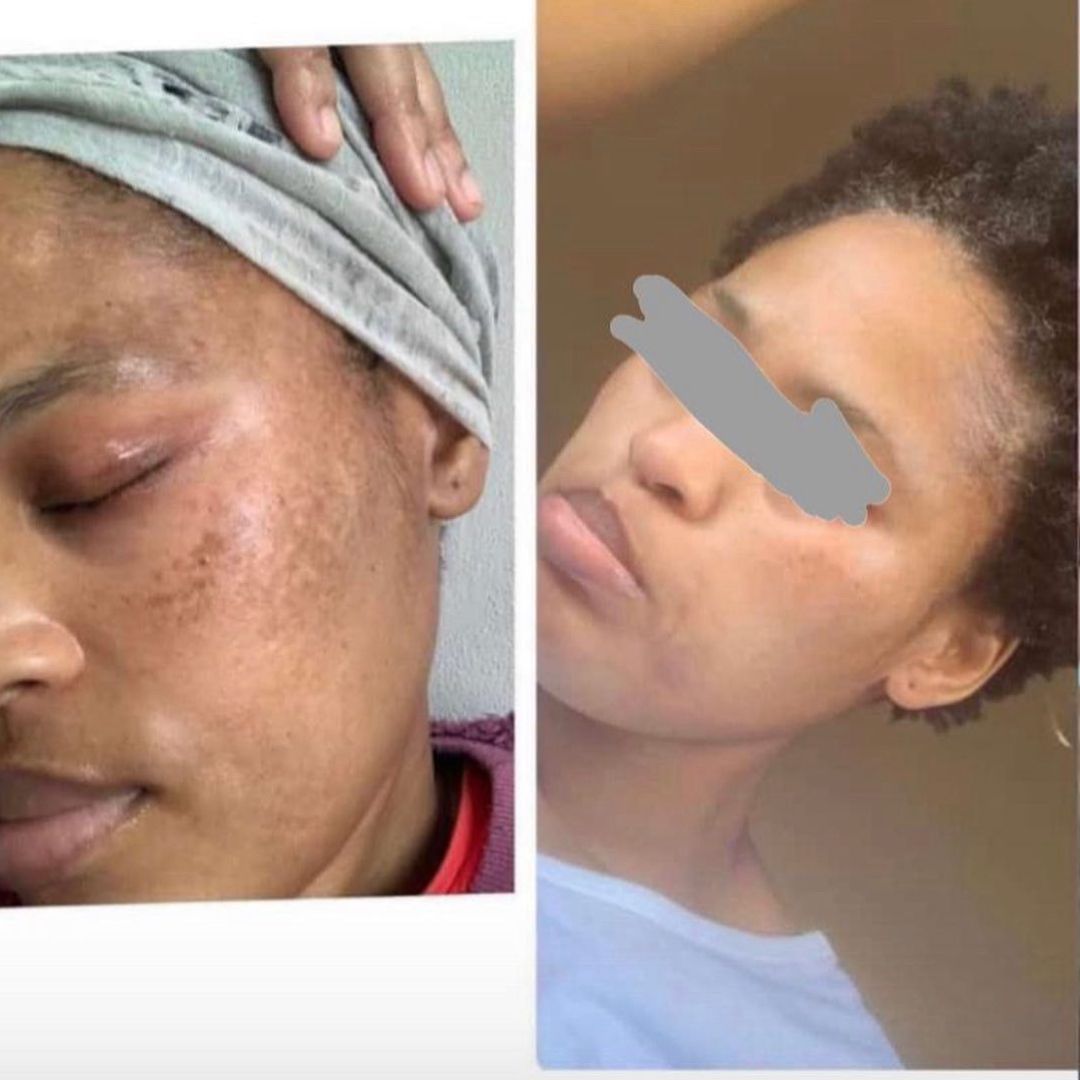

Dark spots can be a frustrating skincare issue and this article helps you understand how to treat dark spots on the face. It’s worse when you don’t know what causes them. If you’ve noticed some stubborn dark patches, it could be more than just a typical dark spot. There’s a good chance you’re dealing with melasma, which is a different beast altogether. But don’t worry! We’ll explain the difference between melasma and other dark spots. This will help you understand your skin and treat dark spots on your face.
What is Melasma?
Melasma is a type of hyperpigmentation. It usually shows brown or grayish-brown patches on your skin. It’s often on your cheeks, forehead, nose, or upper lip. It can sometimes resemble a mask, hence its nickname, the “mask of pregnancy.” Melasma is more common in women. It is often triggered by hormonal changes. That’s why you may have noticed it during pregnancy or while on birth control pills.
The unique thing about melasma is that it tends to be a bit more complex than your average dark spot. Most dark spots are from acne scars or sun damage. But, melasma is linked to hormones and UV exposure. That’s right—you can blame the sun, but your hormones get some of the credit, too!
How is Melasma Different from Typical Dark Spots?
Now that you’ve got a better idea of what melasma is, let’s look at how it’s different from other dark spots . Despite their similar looks, melasma and hyperpigmentation differ. Their causes, appearance, and treatments are not the same.
Dark spots, or post-inflammatory hyperpigmentation (PIH), form after skin trauma, like acne or cuts. They can pop up anywhere on your face. They’re annoying, but they usually fade over time, especially with the right skincare. Melasma, on the other hand, is deeper in the skin, making it harder to treat.
Melasma’s telltale sign is its symmetrical pattern. If you have dark patches on both sides of your face in nearly identical locations, it’s probably melasma. Regular dark spots tend to be more scattered and don’t follow this pattern. So, if you’re seeing matching patches on each cheek, that’s your cue to pay extra attention.
What Triggers Melasma and Dark Spots?
So, what causes these different types of pigmentation issues? Dark spots are often the result of trauma to the skin. A stubborn pimple or too much sun can cause it. Your skin reacts by producing more melanin to protect itself. Once the issue heals, you’re left with a little reminder in the form of a dark spot.
Melasma, on the other hand, is a bit trickier. It’s mostly triggered by hormonal changes. That’s why you often see it during pregnancy, with hormonal contraceptives, or in stressful times. The sun also plays a major role in melasma. Too much sun exposure risks darkening those patches. Unfortunately, melasma may not go away on its own. It can persist without proper treatment.
Can You Treat Melasma and Dark Spots the Same Way?
Melasma and typical dark spots need different treatments. Dark spots often respond well to over-the-counter treatments. These include vitamin C serums, retinoids, and regular exfoliation. These treatments help speed up cell turnover, fading the spots over time. Sunscreen is also crucial to prevent them from darkening further.
Melasma, however, isn’t quite so easy to tackle. Some treatments, like retinoids and vitamin C, can help. But, melasma often needs a more targeted approach. To lighten melasma, doctors often prescribe hydroquinone and corticosteroids. In some cases, they may need to do a chemical peel, microdermabrasion, or laser therapy. Sun exposure is a top trigger for melasma. So, a high SPF sunscreen is a must to prevent those patches from worsening. Check out our Melasma/Chubaba Face Combo which has helped many people.
Prevention is Key for Both
Whether it’s melasma or dark spots, prevention is the best treatment. For both conditions, sun protection should be your top priority. Make sure you’re wearing sunscreen every single day, even when it’s cloudy. You can also look into wearing hats or seeking shade when you’re outdoors.
For those prone to melasma, it’s a good idea to be extra cautious with hormonal changes. If you see new pigment spots, talk to your doctor. They may adjust your birth control or hormone therapy. And, always keep a good skincare routine. It should include gentle treatments to keep your skin balanced and healthy.
Topical Treatments: Over-the-Counter Creams and Prescriptions That Work
If you want to know how to treat dark spots on your face and you’ve wondered which topical treatments work. Don’t worry—you’re not alone in the search for that perfect cream or serum! With so many products out there claiming to fade dark spots overnight, it’s easy to get overwhelmed. The good news is that treatments can help lighten those pesky spots. They include both over-the-counter and prescription options. A little patience is needed, though. Let’s break down the most effective options so you can make the best choice for your skin.
Over-the-Counter Treatments for Dark Spots
For dark spots from acne or sun exposure, some great OTC options can fit into your routine. These creams and serums are usually gentler than prescription treatments. So, they are a great first step for fading unwanted spots.
Vitamin C is a popular OTC treatment for dark spots. It is a powerful antioxidant. It brightens skin and reduces pigmentation. Vitamin C serums are widely available and easy to apply. Use a few drops in the morning before your sunscreen. It’s a must if you want to fade dark spots. Vitamin C also helps protect your skin from further UV damage, so it’s a double win!
Another powerhouse ingredient is niacinamide. Niacinamide is a form of vitamin B3. It can help even your skin tone and reduce redness and inflammation. It’s gentle for all skin types, even sensitive ones. So, it’s a favorite among dermatologists. Just apply it after cleansing and before moisturizing. Over time, you’ll see a brighter, more even complexion.
Next up, we have alpha hydroxy acids (AHAs), like glycolic acid and lactic acid. These chemical exfoliants slough off the top layer of dead skin cells. They reveal fresher, brighter skin underneath. AHAs not only help with dark spots but also improve overall skin texture. If you’re new to chemical exfoliants, start slow. Over-exfoliation can irritate the skin and worsen dark spots.
Click here to learn about Alpha hydroxy acid (AHAs)
Prescription-Strength Treatments
If OTC options don’t work, try prescriptions for stubborn dark spots, like melasma. These treatments are usually stronger and more targeted. But, they often require a dermatologist’s consultation to ensure they’re right for you.
One of the most well-known prescription treatments for dark spots is hydroquinone. Hydroquinone is a skin-lightening agent. It inhibits melanin, the pigment that colors your skin. It’s especially effective for treating melasma and post-inflammatory hyperpigmentation. Most hydroquinone creams are 2% strength OTC. Stronger, prescription versions (up to 4%) are also available. Hydroquinone can work wonders for many. But, it can cause side effects with long-term use. So, use it only under a dermatologist’s guidance.
Another strong contender in the prescription world is tretinoin. It is a retinoid that boosts cell turnover. It’s a bit stronger than the retinol you can find in OTC products and works faster to reveal fresh, spot-free skin. Tretinoin also boosts collagen. So, it’s a great anti-aging treatment. It can be quite drying. So, start using it gradually. This will let your skin adjust to its potency.
Azelaic acid is another prescription option worth mentioning. You can find it in lower concentrations over the counter. Prescription-strength azelaic acid can be more effective for treating dark spots. It’s especially good for those with sensitive or acne-prone skin. It works by inhibiting excess melanin production. Its anti-inflammatory properties make it great for treating both pigmentation and acne.
Combining Treatments for Maximum Results
For dark spots, a mix of OTC and prescription treatments may work best. Do this under a dermatologist’s care. For example, use an OTC niacinamide serum in the morning. At night, use a prescription retinoid. This way, you tackle pigmentation from different angles. You brighten your skin and boost cell turnover at the same time.
In the morning, use a vitamin C serum. It protects your skin from free radicals and boosts your sunscreen. At night, apply a retinoid to speed up cell regeneration. The key to success is patience and consistency. Dark spots won’t vanish overnight. But, with the right routine, you’ll see improvements over time.
Don’t Forget Sunscreen!
You may have heard it 100 times, but sunscreen is your best friend in the fight against dark spots. You could be using the best treatments in the world. But, if you’re not protecting your skin from UV rays, those dark spots will just keep coming back. Worse, they’ll get darker.
Use a broad-spectrum sunscreen with at least SPF 30. Reapply it every two hours, especially if you’re outdoors. Don’t just rely on makeup or moisturizers with SPF. They’re not enough to protect your skin. And yes, even on cloudy days, you should use sunscreen. It should be part of your daily routine, even when working indoors. It’s non-negotiable if you want to keep those dark spots at bay!
Skincare Do’s and Don’ts: Common Mistakes That Make Pigmentation Worse
When trying to treat dark spots on the face, it’s easy to get lost in a whirlwind of products and advice. Unfortunately, not every step you take is going to help—and in some cases, it might even make things worse. But don’t worry, we’ve got you covered! Let’s review the top skincare do’s and don’ts. This will help you avoid mistakes and keep your skin at its best.
Don’t Skip Sunscreen
This is the golden rule of skincare. If you’re battling dark spots, sunscreen is your first line of defense. Not using sunscreen, or using too little, can darken your pigmentation. It will be harder to treat. UV rays cause hyperpigmentation. If you expose your skin to the sun without protection, your treatments may be wasted.
Do you want to keep your skin from getting darker? Use a broad-spectrum sunscreen with at least SPF 30 daily. Reapply every two hours if you’re outside, even if it’s cloudy. A good sunscreen will prevent new dark spots. It will also stop existing ones from worsening. Add it to your morning routine. Do it right after your serum or moisturizer.
Don’t Use Harsh Scrubs or Over-Exfoliate
It might seem like scrubbing away at your skin will help fade those dark spots, but it’s actually the opposite. Over-exfoliating can irritate your skin. It may cause inflammation and, you guessed it—more dark spots. Exfoliation removes dead skin cells and reveals fresh skin. But, too much will set you back.
Instead, use gentle exfoliation with AHAs or BHAs. These chemical exfoliants are more effective at treating pigmentation. They work without the harsh scrubbing. Incorporate them into your routine once or twice a week, and your skin will thank you.
Do Be Consistent with Your Skincare Routine
Consistency is key if you want to treat dark spots on the face. You might be tempted to try a new product every week. But, constantly switching your skincare routine can irritate your skin and worsen pigmentation. Your skin needs time to adjust to treatments, and the results won’t happen overnight.
Use a simple, effective routine. It should include brightening ingredients like vitamin C, niacinamide, or retinoids. Use them regularly for at least a few weeks before deciding if they’re working. Trust the process, and avoid the temptation to chop and change too often. After all, slow and steady wins the race in skincare.
Don’t Pick at Your Skin

We all know it’s hard to resist popping that pimple or picking a dark spot. But, it’s one of the worst things for your skin. Picking at your skin can cause dark spots. This is called post-inflammatory hyperpigmentation. It makes the spots more noticeable and longer-lasting. Plus, it increases the risk of scarring, which no one wants.
If you want to know how to treat dark spots on the face effectively, one of the biggest don’ts is hands-off! Treat your skin gently and resist the urge to pick. If you have stubborn breakouts, use spot treatments or see a dermatologist. Avoid trying to fix them yourself.
Do Moisturize, Even if You Have Oily Skin
Some people skip moisturizer thinking it’ll make their skin oilier or clog their pores. But skipping this crucial step can actually make your pigmentation worse. When your skin is dry, it can become irritated, leading to inflammation and—you guessed it—dark spots. Moisturizing your skin keeps it healthy and prevents irritation. This can help avoid pigmentation issues.
Choose a lightweight, non-comedogenic moisturizer if you’re worried about breakouts. Even better, choose one with niacinamide or hyaluronic acid. They hydrate and brighten your skin. Keeping your skin balanced and moisturized will help speed up the healing of dark spots.
Don’t Use Too Many Products at Once
We get it—there are so many exciting products out there that promise to brighten and even out your skin tone. But using too many at once can overload your skin and cause irritation. This irritation can actually worsen your pigmentation. The last thing you want is to undo all the hard work by trying every product under the sun at the same time.
Instead, stick to the essentials. Use a good cleanser, a treatment for dark spots, a moisturizer, and of course, sunscreen. Focus on products with proven ingredients like vitamin C, retinoids, or azelaic acid. Your skin will be much happier with a few reliable products than with a dozen that could irritate it.
Do Patience and Persistence
We all want our dark spots to fade quickly, but unfortunately, there’s no magic overnight fix. Patience and persistence are your best friends when treating hyperpigmentation. You might not see results right away, and that’s okay. Keep using your brightening serums and sunscreen. In time, those dark spots will fade.
Consistency over time is the only real way to see improvement. Make sure you’re not giving up after a few weeks if you don’t see immediate changes. It can take months for dark spots to fade. But, with the right routine, you’ll see brighter, clearer skin.
When to See a Dermatologist: Signs You Need Professional Treatment
We’ve all been there—trying every cream, serum, and DIY remedy to fade dark spots, only to see little or no improvement. While there’s a lot you can do at home, sometimes it’s best to call in the professionals. If you’re struggling to treat dark spots on your face, try a dermatologist. But how do you know when to make that appointment? Let’s break down some key signs that signal it’s time to get expert help.
Your Dark Spots Aren’t Fading Despite Trying Everything
You’ve tried every OTC option, followed a strict skincare routine and applied SPF daily. But, those dark spots won’t budge. If you’ve waited 8 to 12 weeks for your treatments and your dark spots are the same or worse, see a dermatologist for a stronger treatment.
Dermatologists can prescribe stronger creams and targeted treatments. They are often more effective than drugstore products. Doctors often prescribe hydroquinone, retinoids, and corticosteroids for stubborn pigmentation. If your at-home efforts aren’t working, try these stronger, pro-recommended treatments. They might be just what you need.
You’re Not Sure What’s Causing Your Dark Spots
Sometimes, dark spots aren’t as straightforward as they seem. It’s tempting to self-diagnose and treat them. But, your spots might be due to something else. They may not be from sun exposure or post-acne hyperpigmentation. For example, melasma, hormonal changes, and some medications can cause dark spots. They don’t respond well to over-the-counter treatments.
If you’re puzzled about those dark spots, a dermatologist can help. Once they know the cause of your pigmentation, they can suggest the best treatment. This will save you a lot of trial and error.
Your Dark Spots Are Getting Worse
It’s one thing if your dark spots are taking their sweet time to fade, but if they’re getting worse, it’s a big red flag. New spots might be popping up, or the ones you already have might be darkening despite your best efforts. It may be due to underlying issues, like hormonal imbalances or chronic sun exposure.
A dermatologist can create a plan to stop new spots and treat the ones you have. They might suggest prescription creams, chemical peels, or laser treatments. These target the deeper layers of your skin, where pigmentation is harder to treat. If your spots grow or become more noticeable, seek help. It’s your best bet.
You’ve Tried DIY Remedies Without Success
Let’s face it, DIY remedies can be fun to try on how to Treat Melasma and Dark Spots on the Face, and some people swear by them. If you’ve tried lemon juice, apple cider vinegar, or turmeric masks on your face without results, stop. Natural ingredients can help, but they often aren’t strong enough. This is especially true for deeper pigmentation issues, like melasma.
A dermatologist can provide science-backed treatments for your skin. They will tailor the treatment to your skin type and condition. They might combine at-home remedies with professional treatments. This could give you the best of both worlds. If your kitchen concoctions aren’t doing the trick, it’s a sign to see an expert.
You’re Considering Professional Procedures
If you’ve researched and want to try microdermabrasion, chemical peels, or laser therapy, consult a dermatologist first. These treatments can be very effective for dark spots. But, a professional must ensure they are done safely and suit your skin type.
Laser treatments can effectively target dark spots. But, using the wrong laser on your skin could cause more pigmentation or scarring. A dermatologist will assess your skin. They will recommend the best treatment. This will achieve your desired results without unwanted side effects.
You’re Worried About Skin Cancer
This one’s important—if any of your dark spots look suspicious, it’s time to see a dermatologist immediately on how to treat dark spots on the face. While most dark spots are harmless, it’s crucial to rule out skin cancer if you notice certain changes. Look for spots that are changing in size, shape, or color, or ones that itch, bleed, or become raised. These could be signs of melanoma, and early detection is key to successful treatment.
A dermatologist can perform a skin check and, if necessary, a biopsy to ensure that your spots are benign. Even if it turns out to be nothing, it’s better to be safe than sorry. After all, your skin health is worth the peace of mind!
What Can You Expect at Your Dermatologist Appointment?
If you’ve decided it’s time to visit a dermatologist, you might be wondering what happens next if you want to know How to Treat Melasma and Dark Spots on the Face. Your dermatologist will likely ask about your skincare routine. They will want to know the products you’ve used and any medications you’re taking. They’ll also examine your dark spots to find their cause. Then, they’ll recommend the best treatment plan.
They might suggest creams, peels, or lasers to prevent new spots. They may also recommend lifestyle changes, based on your pigmentation. The goal is to help you get clearer, even-toned skin. We’ll use professional guidance, no matter the treatment.